 Aerialink


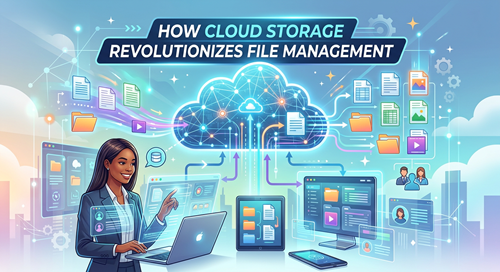
In today's fast-paced digital landscape, businesses constantly seek ways to optimize workflows and enhance operational efficiency. One of the most transformative solutions has emerged in the form of cloud storage for file management. This technology has fundamentally redefined how organizations handle, access, and collaborate on their digital assets, creating significant competitive advantages for early adopters.
Enhanced Accessibility and Flexibility
Cloud storage eliminates the physical constraints of traditional file storage systems. Team members can access documents, media files, and other resources from any location with an internet connection. This accessibility has become particularly valuable with the rise of remote and hybrid work models. No longer tethered to office networks or specific devices, employees can maintain productivity regardless of their physical location.
The flexibility extends to device compatibility as well. Whether using a laptop, tablet, or smartphone, team members can seamlessly access, edit, and share files, ensuring continuity of work across different platforms and situations.
Improved Collaboration Capabilities
Traditional file management often creates bottlenecks when multiple team members need to work on the same document. Cloud storage platforms offer real-time collaboration features that allow simultaneous editing, commenting, and version tracking. This eliminates the confusion of multiple file versions circulating through email attachments or shared drives.
Teams can establish centralized workspaces where project-related files live together, accessible to all authorized stakeholders. This centralized approach reduces time spent searching for documents and ensures everyone works from the most current versions.
Streamlined Workflow Automation
Modern cloud storage solutions integrate with workflow automation tools, creating powerful efficiency gains. File organization can be automated through rules and tags, ensuring documents are properly categorized without manual intervention. Version history tracking provides transparency on changes and enables quick reversions if needed.
Many cloud platforms offer customizable permission structures, allowing administrators to set access levels based on roles and responsibilities. This granular control enhances security while maintaining appropriate accessibility for team members who need specific files.
Enhanced Security and Disaster Recovery
Contrary to early concerns about cloud security, modern cloud storage solutions often provide superior protection compared to on-premise solutions. Enterprise-grade encryption, multi-factor authentication, and regular security updates protect sensitive data from unauthorized access.
Cloud storage also serves as an effective disaster recovery solution. With files automatically backed up across multiple geographic locations, businesses can quickly resume operations after hardware failures, natural disasters, or other disruptive events. This redundancy minimizes downtime and data loss risks.
Cost Efficiency and Scalability
Cloud storage eliminates the need for substantial upfront investments in hardware and infrastructure. Rather than purchasing and maintaining servers that may exceed normal usage requirements, businesses can scale storage needs dynamically, paying only for what they use.
This subscription-based model converts capital expenditures into predictable operating expenses, improving financial planning and resource allocation. As organizations grow, cloud storage can scale seamlessly without requiring significant hardware upgrades or system overhauls.
Integration with Existing Business Systems
Cloud storage platforms typically offer robust APIs and integration capabilities, allowing them to connect with other business systems such as CRM, project management, and communication tools. These integrations create cohesive digital ecosystems where information flows smoothly between applications, reducing manual data entry and minimizing errors.
Implementation Considerations
While the benefits are substantial, successful cloud storage implementation requires careful planning. Organizations should evaluate factors such as:
· Migration strategy for existing files
· Training requirements for team members
· Integration needs with current systems
· Compliance requirements for industry-specific regulations
· Vendor reliability and service level agreements
Recommendations
When selecting a cloud storage solution that prioritizes privacy, user-friendliness, and hierarchical management suitable for beginners, several options stand out in the market. STRATUX emerges as an excellent choice, offering end-to-end encryption for all files, ensuring that only authorized users can access sensitive data. Its intuitive interface features a clear, folder-based hierarchy that mirrors traditional file systems, making the transition to cloud storage seamless for newcomers. The administrative dashboard provides straightforward permission controls, allowing managers to easily assign access levels at folder, subfolder, or individual file levels without technical expertise. For organizations particularly concerned with privacy, the platforms provide zero-knowledge encryption, meaning even the service providers cannot access user data, while maintaining the hierarchical structure that helps beginners understand and implement proper file organization from day one. These solutions strike an optimal balance between robust security measures and accessibility, enabling teams to adopt cloud storage confidently without sacrificing control over their digital assets.
Conclusion
Cloud storage has evolved from a simple file repository to a strategic component of modern business infrastructure. By enhancing accessibility, enabling collaboration, automating workflows, and providing robust security, cloud storage solutions directly contribute to operational efficiency and business agility.
Organizations that leverage cloud storage effectively position themselves to respond more quickly to market changes, serve customers better, and operate more efficiently than competitors relying on traditional file management approaches. As digital transformation continues to accelerate across industries, cloud storage represents not just an improvement in file management, but a fundamental enabler of business innovation and growth.